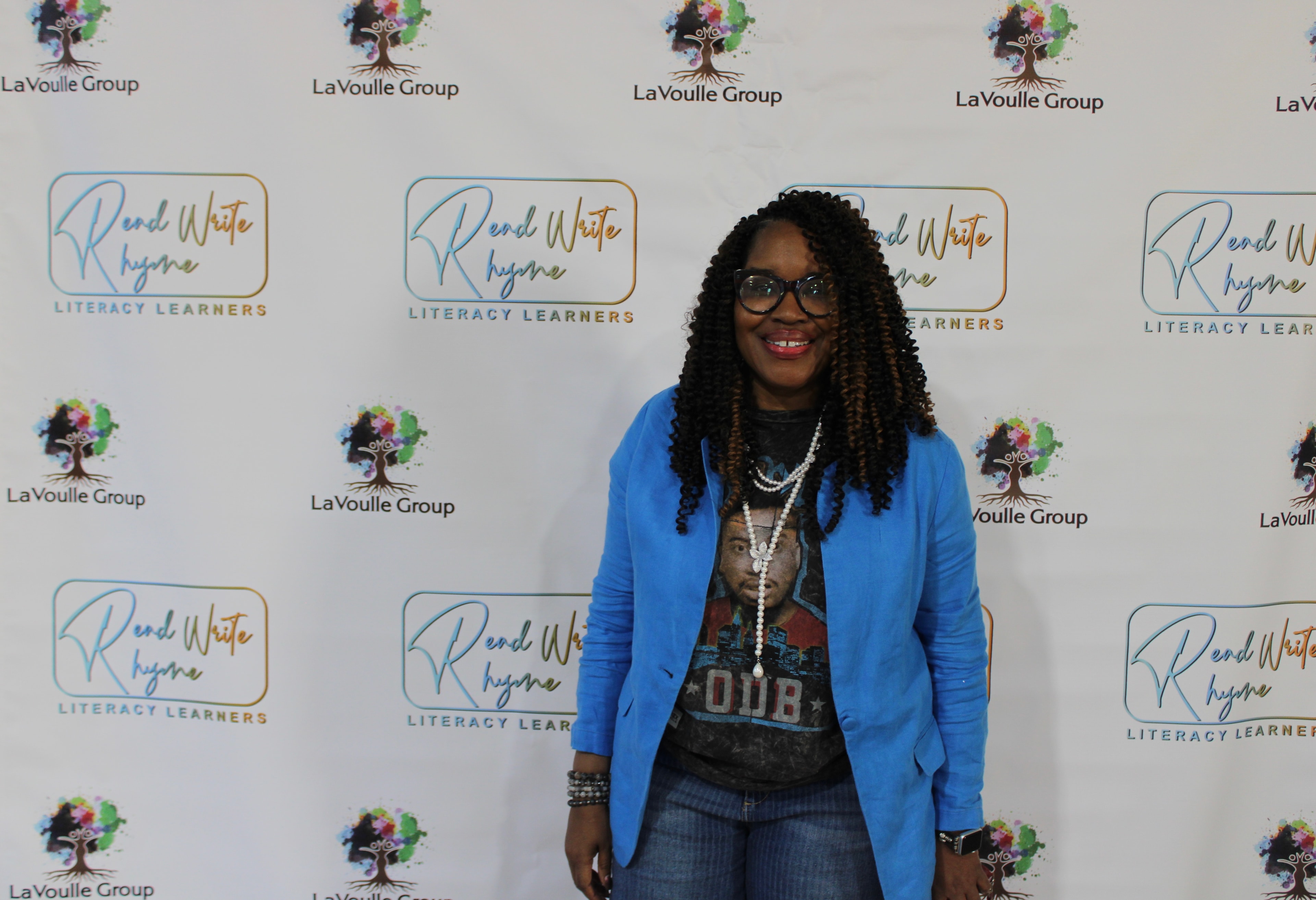
Dr. Kimberly White-Glenn Returns to Read Write Rhyme
From reading instruction to media literacy, Dr. White-Glenn brings research and practice to the Women Who Wow panel at Read Write Rhyme 2027.
Read the articleRead Write Rhyme Journal
Practical perspectives for educators, literacy leaders, and community-builders creating meaningful learning experiences.
From reading instruction to media literacy, Dr. White-Glenn brings research and practice to the Women Who Wow panel at Read Write Rhyme 2027.
Read the article
Dr. Joycelyn Wilson of Georgia Tech explores how hip-hop drives innovation, design thinking, and digital media literacy. She joins the Women Who Wow panel at Read Write Rhyme 2027.
Read the article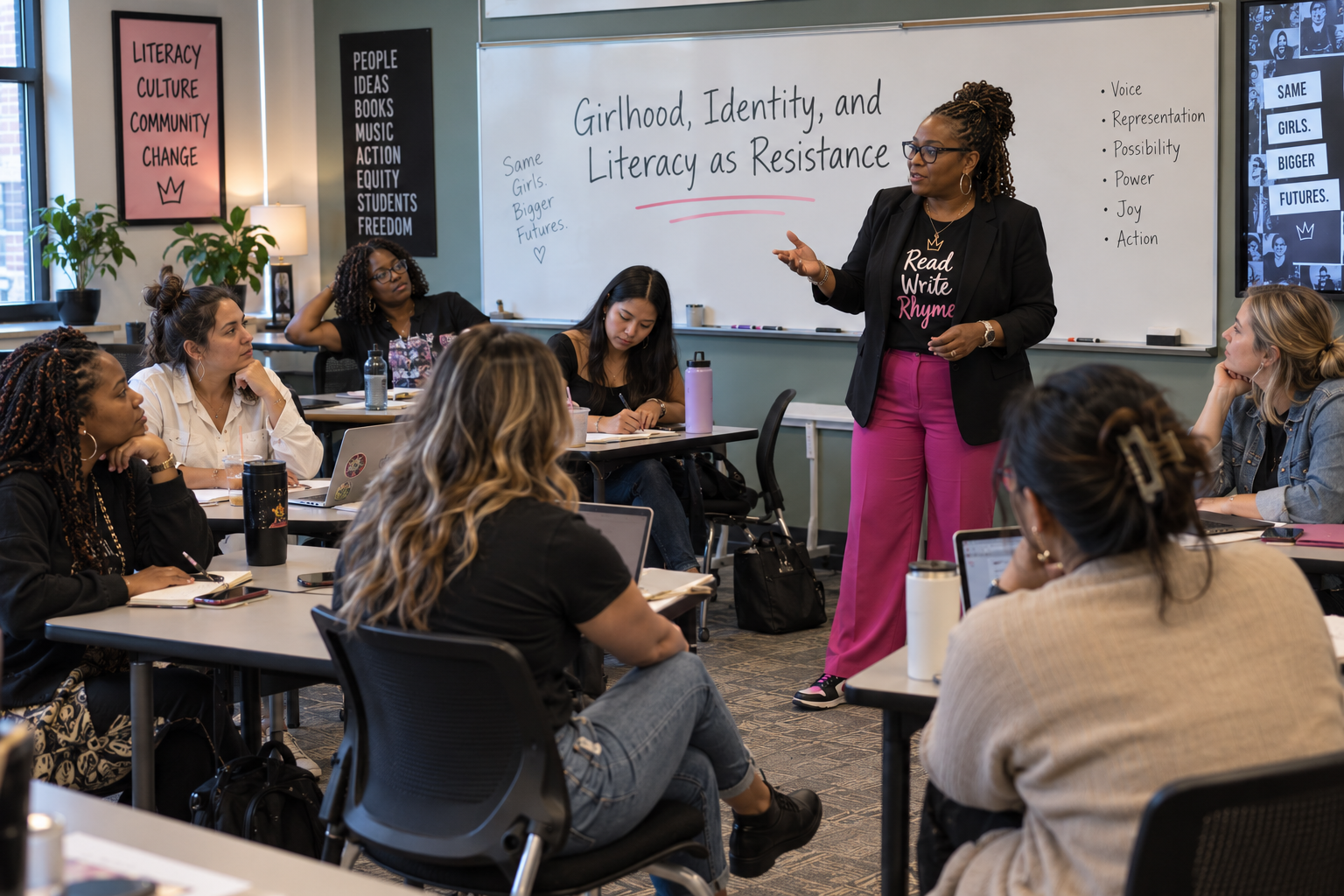
Dr. Crystal LaVoulle on why the Read Write Rhyme Conference centers women's voices in hip-hop — and what sisterhood, scholarship, and service mean for girls in the classroom.
Read the article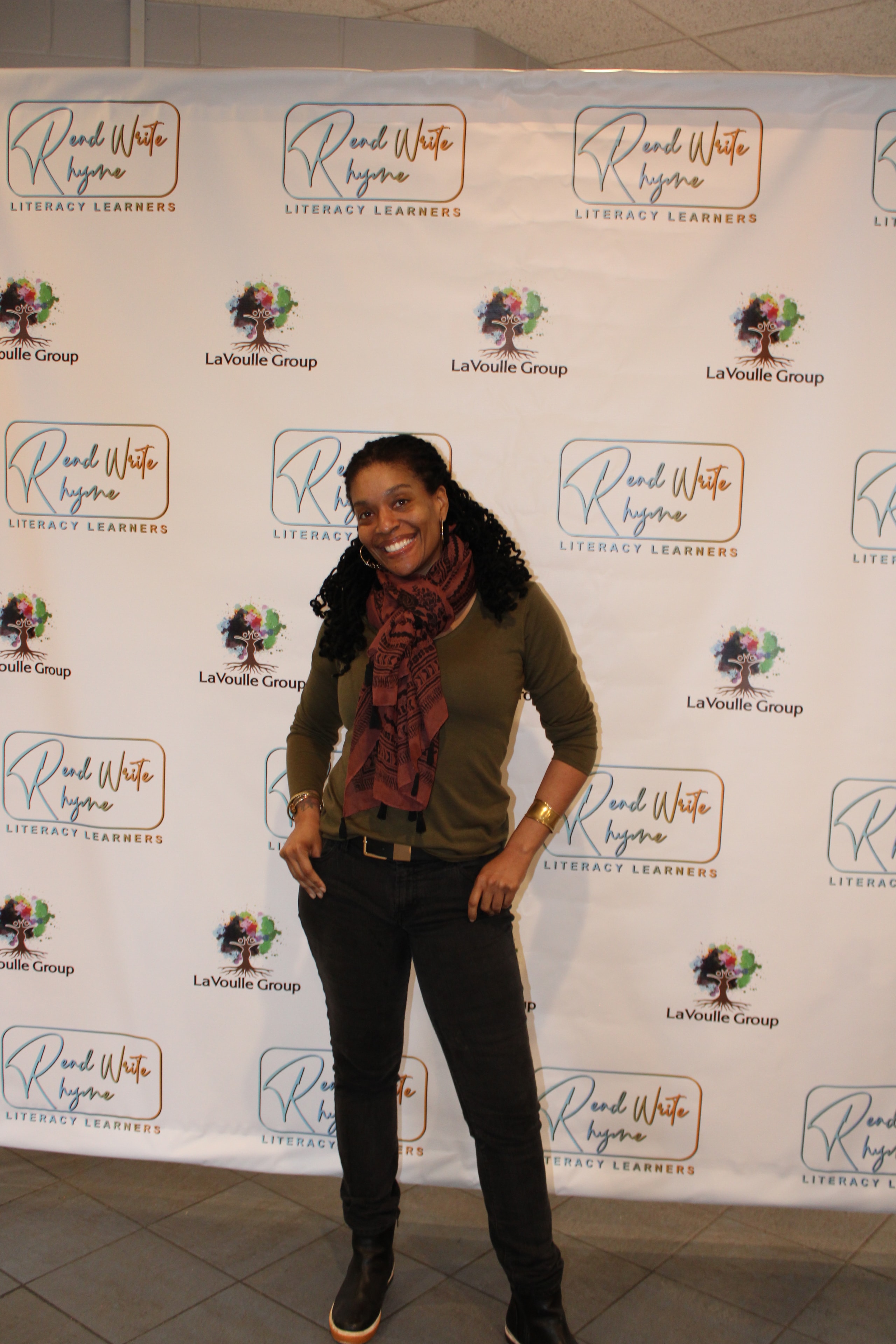
Dr. Khalilah Ali of Spelman College brings a womanist hip-hop framework and abolitionist education lens to the Women Who Wow panel at Read Write Rhyme 2027 in Atlanta.
Read the article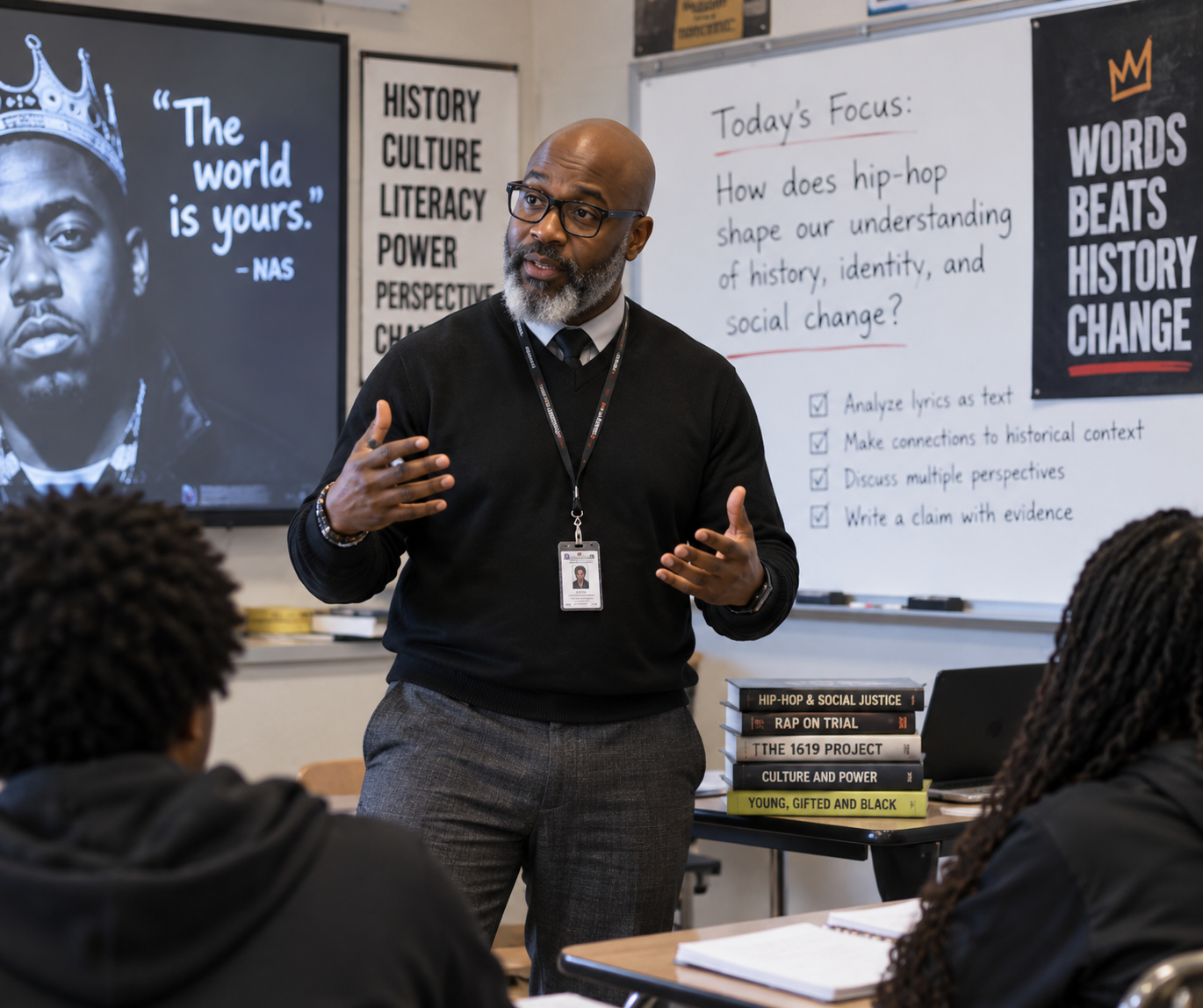
Practical ways educators can use hip-hop pedagogy to create culturally responsive literacy learning that invites students into reading, writing, and discussion.
Read the article
Effective evaluation of hip-hop and other creative texts requires new frameworks. Here is how educators can assess them with rigor and cultural responsiveness.
Read the article